Decorating with travel photography always looks sharp and certainly inspires trip day-dreaming on a daily basis. While you can get some amazing global images from amateur and professional photographers, I find myself coming back to stylized city illustrations. It’s fun to see a location distilled to its essential elements and I have always loved stylized graphic design. In honor of the Holiday shopping season, here are a few of my favorites from etsy.com with links to their stores below. (If they don’t have your favorite city, it doesn’t hurt to ask if they could do it.)
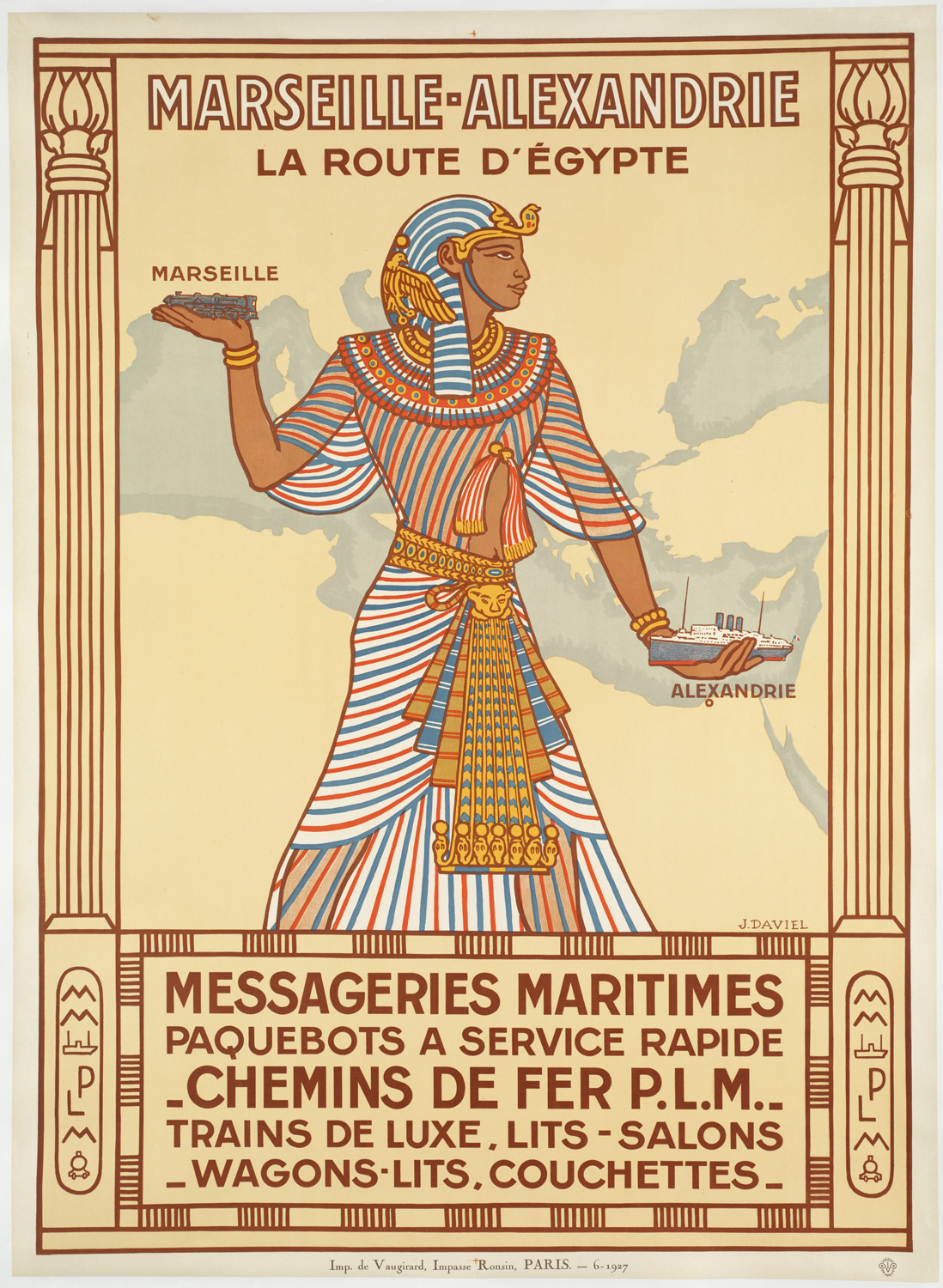
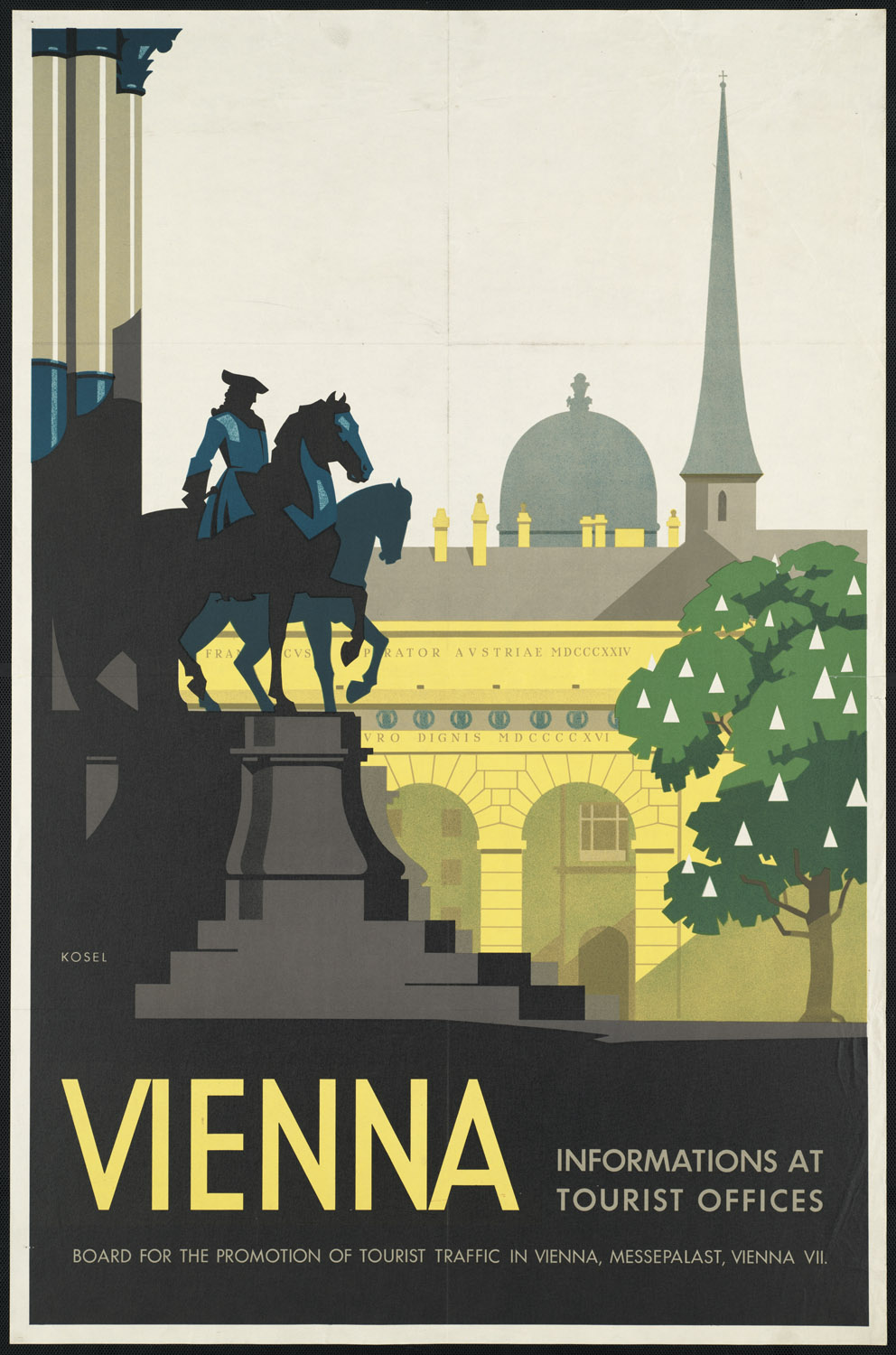
Classic travel posters of the 1920-1940s have got to be some of the most gorgeous but overlooked pieces of art ever. Combining both travel nostalgia and crisp graphic design, the images are evocative and interesting. I want to hang one on my wall then pack up a hard case travel trunk and decorate it with stickers from each of my destinations! Here are some of my favorite travel posters from an exhibit held last year.
All images are from the 2010 Boston Public Library exhibit, “Away We Go!” You can view the entire exhibit on Flickr.
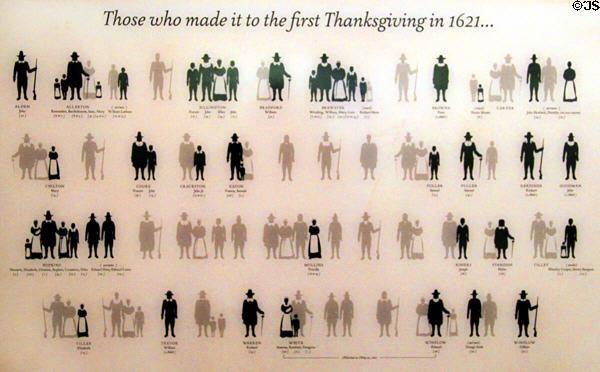
Of the 102 voyagers on the Mayflower, only 53 survived the first year to celebrate the “original Thanksgiving” in Nov 1621. Of the 18 adult women who made the voyage, 14 died in the first year. The Pilgrim Hall Museum in Plymouth has a really interesting graphic illustrating the decimation of the early settlers. (See colonist before and after the first year).
Original parties on the Mayflower. (Photo: Jim Steinhart)
Mayflower passengers who survived to the first Thanksgiving (Photo: Jim Steinhart)
On the University of Chicago campus last month, I stumbled across Arnaldo Pomodoro’s Grande Disco. It is a looming, industrial and futuristic disk that seems to be splitting open along several seams. When examining the details up-close, you half expect the thing to open further and start talking. (That’s how a science fiction movie involving modern outdoor art would begin.)
Grande Disco (1968) by Arnaldo Pomodoro, University of Chicago
I was drawn to the sculpture for its design but also because I recognized it. I thought I saw this in Milan, what was it doing next to a Medical School building on the University of Chicago campus? Turns out there are five other “Grande Discos” throughout the world each made within the same general time frame and varying slightly in design. Located in urban, commercial and green spaces, the pieces are enhanced by the environments they have been placed into. See what you think of these outdoor installations. Personally, I think the Grande Disco does the best in the two extreme environments: the rolling green sculpture park and in the shadow of North Carolina skyscrapers.
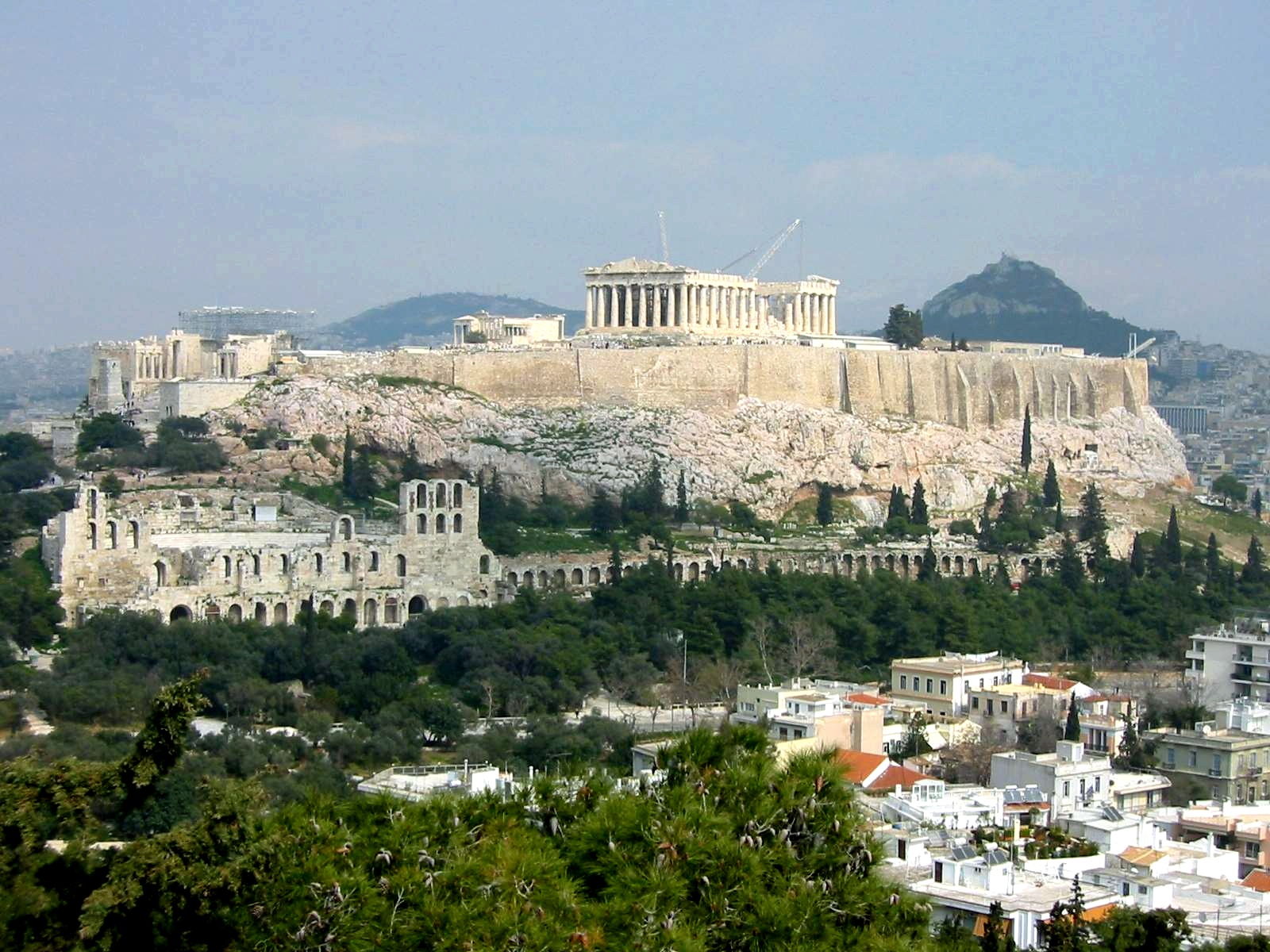
It’s been a while since I worked on my UNESCO World Heritage Site series so let’s get back to it with an easily recognizable site – The Acropolis in Athens.
View of the Acropolis (Photo: Wikipedia)
Entering Athens, you are walled in by buildings and can easily lose your orientation but before long you turn a corner and there on an imposing plateau is the Acropolis. The complex of temples including the Parthenon atop the rocky hill was originally filled with great art, commanding architecture and human activity in Classical Greece. I could write long posts about each of the site’s elements but I’ll try to give an overview here.
Reconstruction of the Acropolis (Photo: Roy George)
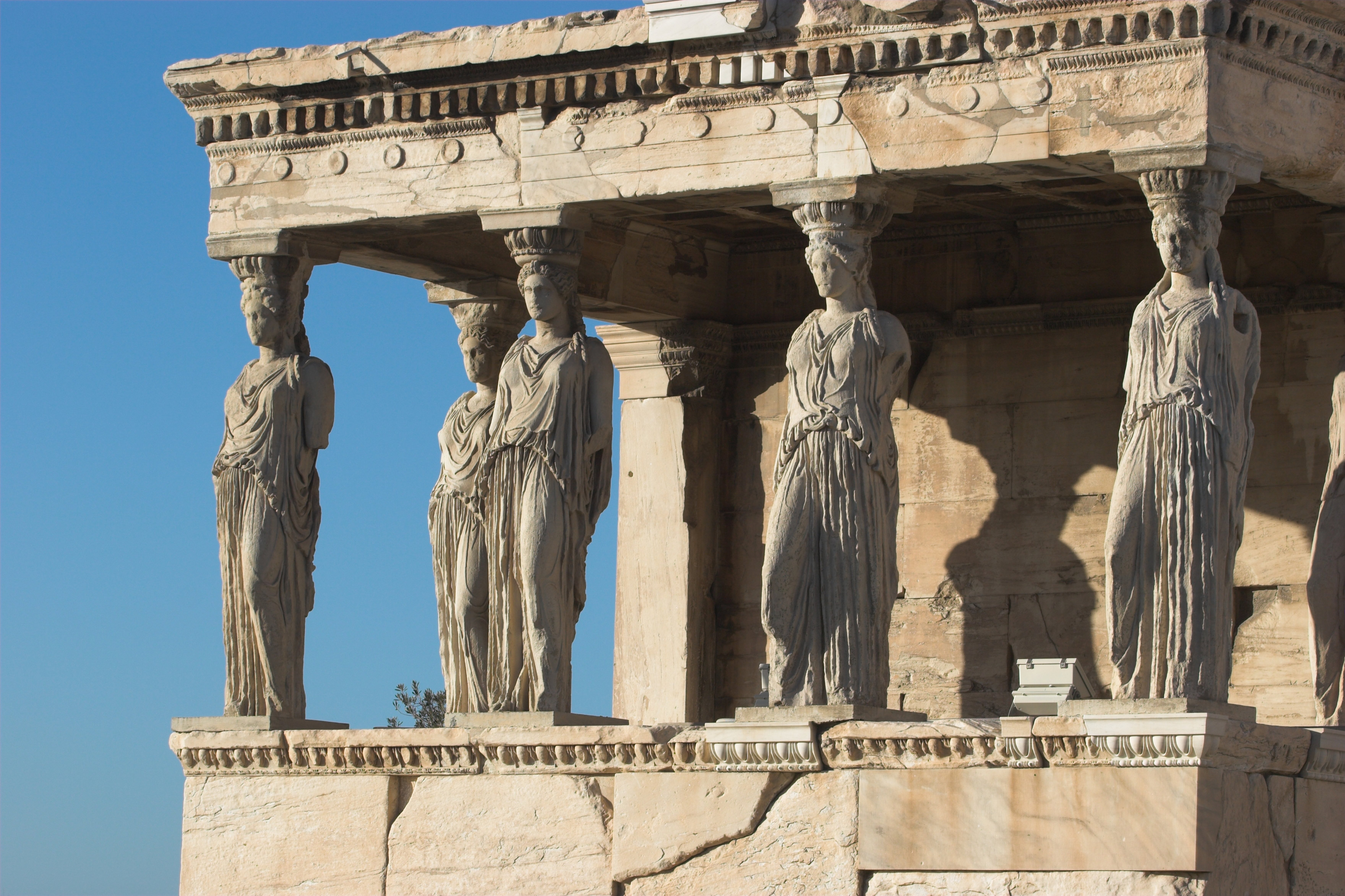
While there had been religious buildings and fortification on the rock for centuries already, the greatest construction effort was completed under the rule of Pericles during the height of the Greek empire (460-430 BC). Visitors would have entered the site through a grand gateway known as the Propylaea. Once inside, along the right toward the Parthenon would have been the Brauroneion, a temple dedicated to Artemis protector of pregnant women and childbirth, and the Chalcotheke which is believed to be the Parthenon treasury. Left from the entrance was a complex religious building called the Erechtheion which honored Athena as Protectress of Athens, Poseidon as rival for Athens and several ancient heroes. Today the building is most recognizable for a porch of columns shaped like maidens known as Caryatids. The small Temple of Nike could be found to the right of the Propylaea before entering the site and is largely restored today. A Greek and a Roman amphitheater were carved into the South side of the Acropolis rock.
Temple of Nike at the gates of the Acropolis
The Parthenon was dedicated to Athena, the Patron Goddess of Athens, and was believed to house a 40 foot tall ivory and gold statue of her. The outer structure of Doric columns is 228.0 x 101.4 feet in size and has several “optical refinements” such as bulging columns and a bowed base so that the structure’s geometry looks perfect to viewers. The triangular pediment facing the Propylaea depicted Athena winning over the city of Athens with her gift of an olive tree while the opposite pediment described her birth from Zeus’ head. Square panels, or metopes, depicting mythical battles adorned the exterior of the Parthenon. The interior cella was decorated with a continuous carved frieze of riders, priests, and pilgrims completing the annual Panathenaic procession from the cemetery through the market and on to the Acropolis.
East face of the Parthenon
The Parthenon has been attacked, repurposed and robbed several times. The video below from the Hellenic Ministry of Culture does a good job chronicling the destruction.
You’ll also note that the video above spends a significant amount of time highlighting the removal of art collectively known as the Elgin marbles. There is strong movement in Greece to return these sculptures from the British Museum to Athens. The recently opened Acropolis Museum in Athens displays copies of all the Parthenon sculptures for context but I assume would prefer to have the originals. If you can’t see them in either museum, there is a great virtual exhibit available online that lets you tour the Parthenon frieze.
Virtual Parthenon Frieze project sponsored by the EU
While virtual recreations and artistic reconstructions are helpful, I still find it difficult to imagine the Acropolis during the Golden Age of Athens. As fantastic as I picture it, the Acropolis was probably more colorful, more cluttered with statues and more imposing.











 Daydream Tourist