Skip to content

Posts tagged ‘art’

Science & Sfumato – Technical Analysis to Aid Art Historians

This post is part of a larger on-line symposium to honor the late Hasan Niyazi, the self-taught art historian behind Three Pipe Problem.  Hasan championed art history, critical analysis, valuable online discourse, and all things Raphael!  As part of this April 6th celebration (Raphael’s birthday), you can read all of the posts here.  He is missed by all those who knew him personally or through his active engagement with readers online.

mona lisa experiment, SRF

The Mona Lisa’s mysterious sfumato being quantified. (Image from [1])

I always appreciated that Hasan advocated for scientific research and technical analysis as a complimentary approach to historical research and stylistic connoisseurship.  Art is fundamentally material science even if the end result can be ascribed beauty or emotional intensity.  Thus it makes sense to use analytical techniques to understand how a piece of art was constructed in order to understand to creative process and the end product.

Given the numerous Three Pipe Problem posts on Leonardo da Vinci and the continuing struggle to attribute two recent works – Salvator Mundi and La Bella Principessa, I thought it would be useful to return to this enigmatic artist.  Da Vinci’s experimentation with material and techniques is anecdotally well-known.  But really what do we know about his luminous sfumato faces?  One recent study confirmed the nearly impossible.

Read more

El Greco and the Painting Process

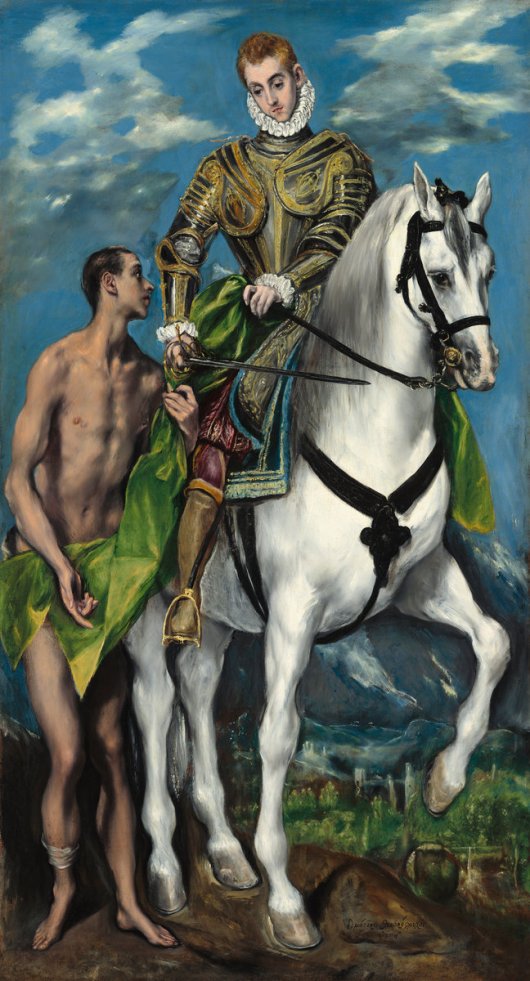
Saint Martin and the Beggar

El Greco (Domenikos Theotokopoulos) – “Saint Martin and the Beggar”, National Gallery of Art, Washington, DC (Photo)

This last Saturday, the National Gallery of Art, along with SPAIN art & culture, held a small symposium on the Renaissance/Mannerist artist Doménikos Theotokópoulos in honor of the 400th anniversary of this death.  Better known as El Greco (the Greek), this Cretan painter stands out in Spanish art history for his unique, almost otherworldly compositions, bold use of color and fluid brushwork.  Analysis of some recently rediscovered paintings was presented at the conference and helps shed some light on how the artist worked.

Read more

Why Every Trip Should Include Museums

Metropolitan Museum of Art sculpture hall

This Sculpture Garden inside the Metropolitan Museum of Art in New York City is a beautiful and peaceful space – perfect for any traveler.

I’ve been meaning to write for some time about why every trip should include art museums.  But when I read Robert Reid’s post “Are Museums Overrated?” on National Geographic’s blog, I knew it was time.  In his piece, Reid argues that Museums don’t necessarily need to be on anyone’s “To See” list – unless of course that’s your thing.  I would encourage the opposite!  Even if you’ve never been to a museum in your own community, you must visit museums when traveling.  Most travelers are skeptical about spending precious vacation hours looking at old stuff, so let me tackle some of the mental barriers for visiting museums and elaborate on the major pluses for this cultural experience.

Read more

Ceramic Folk Art from Around the World

The monthly ArtSmart Roundtable brings together some of the best art-focused travel blogs to post on a common theme.  This month we are focusing on National Art – whether iconic styles that remind us of a certain place, or a movements that developed in and became emblematic of a region.   Be sure to check out everyone’s posts below!

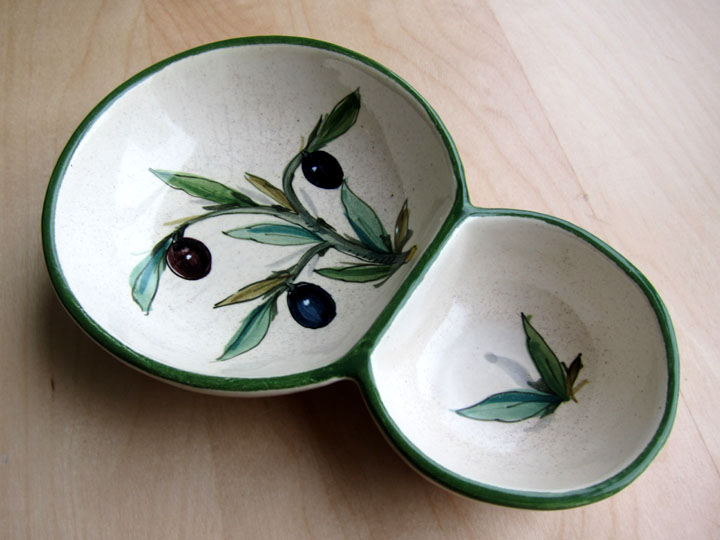
Italian olive dish

Simple but very functional, I got this olive dish in Siena, Italy.

Every culture makes utilitarian objects like furniture, clothing and ceramics.  Folk art is decoration applied to these functional items which reflects the tastes of a people.  In addition to seeing works from professional artists in a national museum, I am always on the look-out for local craftspeople or cultural museums that show off local folk art.  As a lens to compare several cultures, let’s take a look at some traditional ceramic styles around the globe.

Read more

Saint John’s Hospital and Hans Memling, Bruges

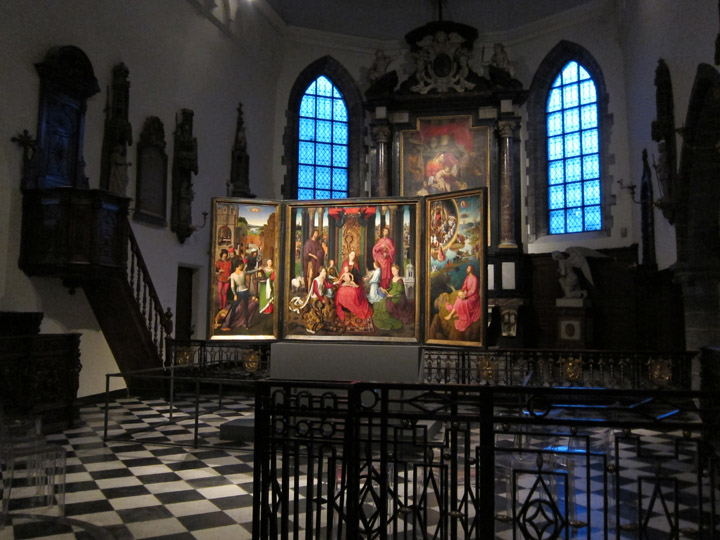
St. John’s Hospital in Bruges is an excellent example of when preservation and art exhibition are done correctly.  A former pilgrim’s hospital, the grand hall and church have been transformed into a museum.  The space exhibits art and medical objects from the history of the clinic, plus a very special section dedicated to Bruges’ most famous resident and Flemish Primitive painter Hans Memling.

Memling Museum, St. John's Hospital, Bruges

Memling Museum, St. John’s Hospital, Bruges

Read more